Illinois and Missouri State Funding
2026 Innovator Grant
Eligibility
- K-12 schools must be located in a qualifying ZIP code within ITEF’s greater St. Louis service area in Missouri or Illinois.
- Eligible school types include accredited public, independent, and parochial schools. Licensed K-12 charter schools must have held their charter for three or more years.
- Proposals may support a single-grade classroom, multiple grade levels, an entire school, or collaborations with a 501(c)(3) nonprofit partner serving students and/or classroom educators from an accredited or charter school.
Goals
- Support innovative, novel approaches to teaching and learning that use technology in new and creative ways to solve real-world problems.
- Fund student-focused projects that create new possibilities, opportunities, or approaches to learning and teaching and prepare students for a technology-rich future.
- Support projects that demonstrate creativity, engage multiple educators in a multidisciplinary process, and create meaningful changes that impact student learning.
Application Due Date
- Applications accepted November 1, 2026 to January 31, 2027
- Next application cycle expected November 2027
Grant Cycle
- Applications are accepted November 1, 2026 through January 31, 2027, and grants are generally one year in length.
- Schools receiving an Innovator award must wait one full Innovator grant cycle before reapplying. Innovator awardees may apply for a Catapult Grant the following school year.
Grant Award Total Amount
- Historical awards typically range from $30,000 to $50,000+ depending on project scope and innovation
- One grant per school per cycle
Allowable Purchases
- The grant materials do not provide a fixed list of allowable spending categories.
- Proposed technology and project expenditures must be included in a detailed budget with line-by-line justification and links to the expenditures.
- Technology purchases must support the proposed innovation. The rubric specifically distinguishes innovative use of technology from proposals focused primarily on purchasing technology.
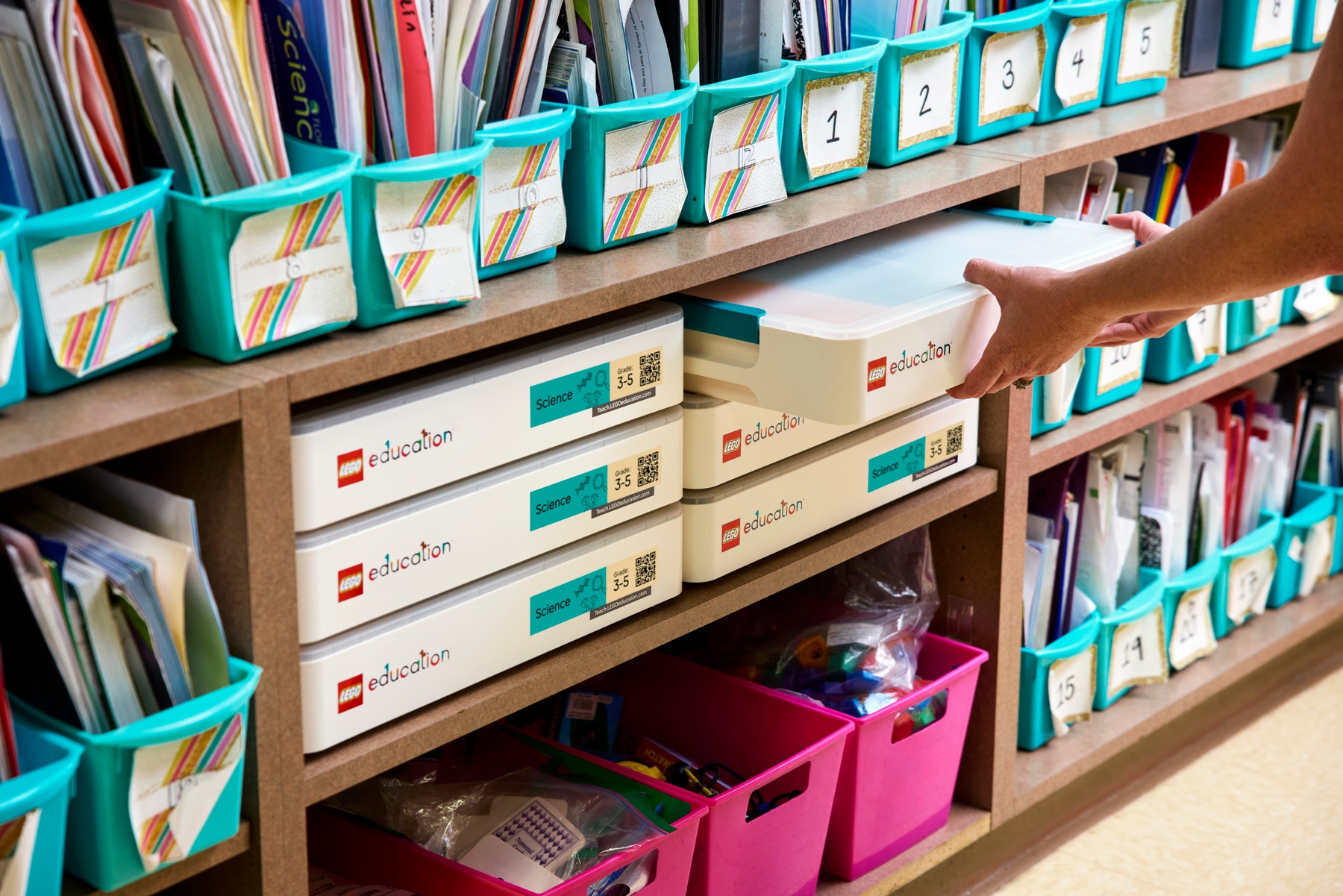
Aligned to LEGO® Education Solutions
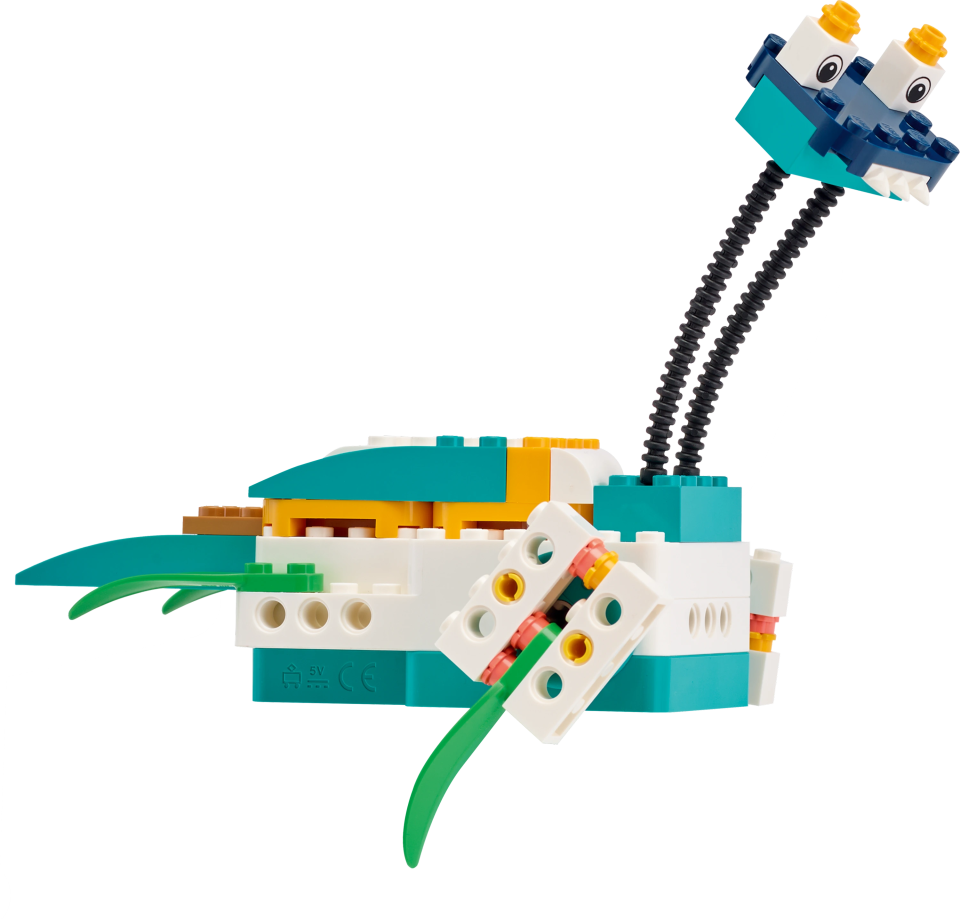
- LEGO® Education Computer Science & AI aligns with the grant’s focus on innovative uses of technology, student engagement, new approaches to learning, and preparing students for a technology-rich future through curriculum-based computer science, coding, computational thinking, and responsible AI learning.
- LEGO® Education Science aligns when a proposed project uses hands-on, technology-supported science learning as part of a novel, student-focused, multidisciplinary approach, including approaches such as project-based learning and design thinking identified in the grant rubric.
Program Implementation Requirements
- Applicants must describe student engagement, student participation in proposal development, preparation for a technology-rich future, and SMART key performance indicators for measuring success outside of test scores.
- Applications require a PD plan, two letters of support from leaders key to the project, a detailed budget, budget narrative, project timeline including PD, project team information, and plans for collaboration with educators or a Professional Learning Community.
- Grant recipients are asked to demonstrate compliance through quarterly reports, mid-project visits, and final reports, and applicants should proceed with the knowledge and support of their superintendent or head of school and Information Technology department.
Keep in Mind
- The rubric places its greatest scoring weight on how innovative the proposed project is. High-scoring proposals describe a process of change or progress and may incorporate design thinking, risk-taking, project-based learning, or other innovative elements rather than focusing on the technology purchase itself.
- Student voice is scored. The strongest rubric rating requires student input to be integral to development of the project, and success measures should focus on student learning beyond standardized test scores.
- Professional Development is also scored. The highest rubric rating calls for multiple PD experiences incorporated throughout the project and integral to its success rather than a one-time PD experience.
- ITEF encourages applicants to review past winning projects and offers free grant-writing workshops. The grant page currently directs applicants to check back for Fall 2026 and Winter 2027 Zoom training dates.
Ready to bring LEGO® Education to your district?