All states
NSF STEM K-12
Eligibility
- Accredited two-year and four-year U.S. institutions of higher education, including community colleges
- U.S.-based nonprofit educational or research organizations and for-profit organizations with strong scientific, engineering research, or education capabilities
- State and local governments and federally recognized Tribal Nations
Goals
- Support fundamental, applied, and translational research that advances STEM teaching and learning in formal and informal settings
- Develop and study innovative learning environments, instructional models, curricula, assessments, professional learning resources, technologies, and media
- To advance research related to computer science, artificial intelligence, technology careers, effective teaching, deeper learning, and the translation of research into educational practice
Application Due Date
- Proposals accepted anytime
Grant Cycle
- Research and development proposals typically request support for two to three years; applicants should plan project timelines that clearly align milestones, deliverables, and evaluation activities across this period
- Conference proposals may request support for up to two years; early coordination with NSF program officers is recommended to ensure alignment with program priorities and expectations
- Proposals are accepted on a rolling basis, so applicants should allow sufficient time for internal review, partner coordination, and compliance checks before submission
- It is advisable to build in time for iterative development, pilot testing, and dissemination activities to strengthen the overall impact and competitiveness of the proposal
Grant Award Total Amount
- $30 million in anticipated program funding with approximately 40 awards
- Most awards are expected to range from $25,000 to $750,000 from one to three-year grants; suggested requests are $350,000 to $750,000 for research and development proposals and $25,000 to $99,000 for conference proposals
Allowable Purchases
- Development and study of STEM curricula, assessments, instructional models, and learning environments
- Professional learning resources, educational technologies, media, and research tools
- Project costs necessary to conduct approved research, development, dissemination, and conference activities
Aligned grant initiative to LEGO® Education Solutions
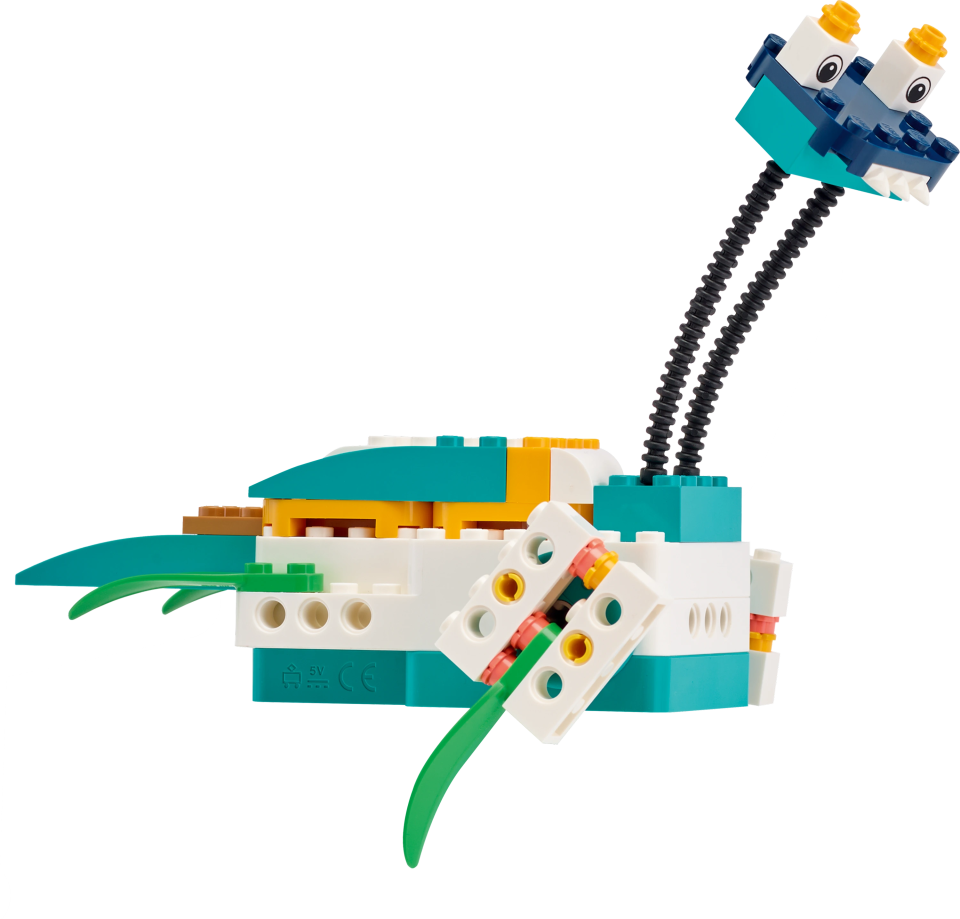
- LEGO® Education Computer Science & AI provides a scalable, standards-aligned research platform that enables rigorous study of student learning outcomes in computer science, artificial intelligence, and computational thinking. Its structured yet flexible design supports measurable data collection on engagement, skill progression, and readiness for technology careers across diverse K–12 populations
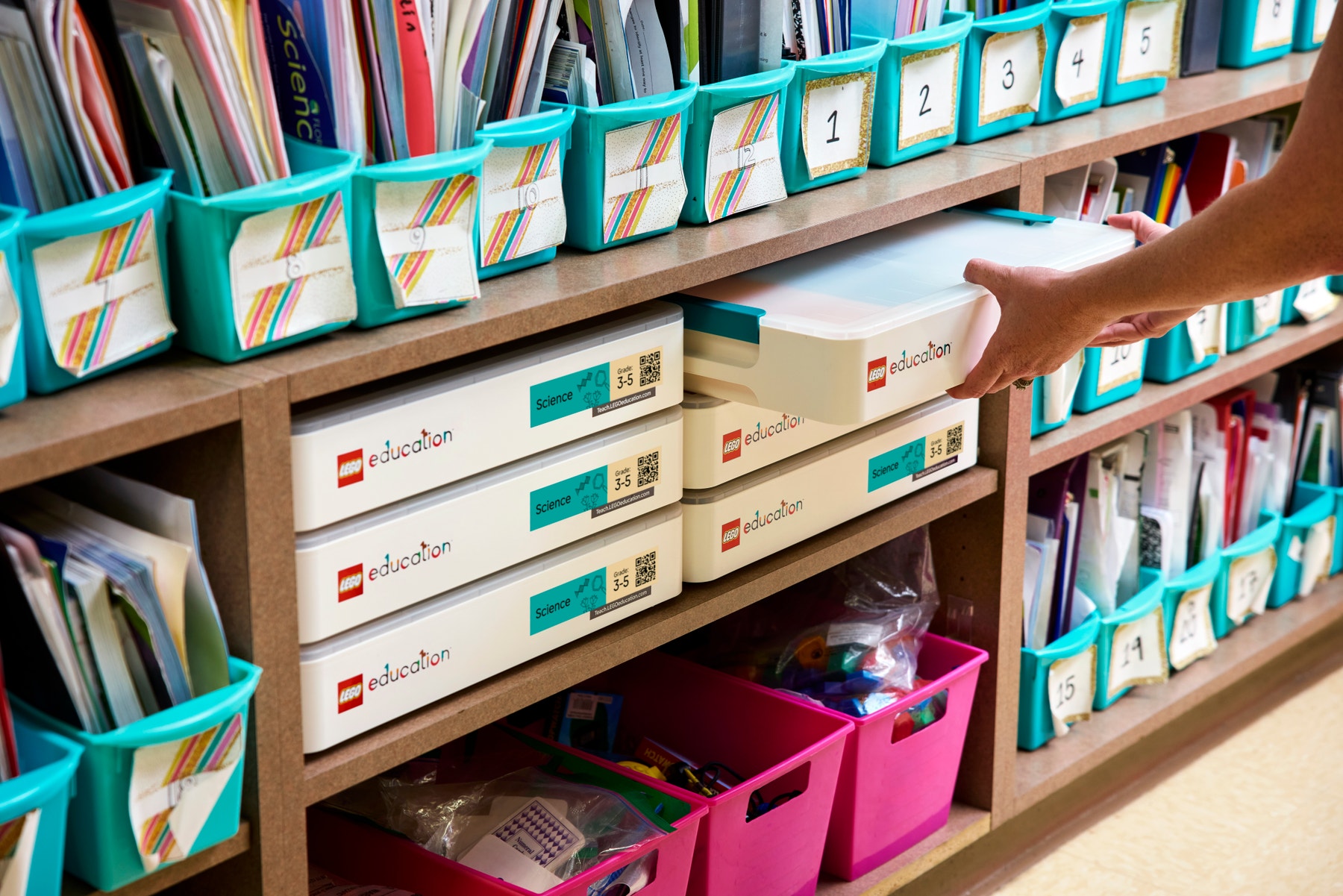
- LEGO® Education Science offers a proven, hands-on learning system ideal for research on inquiry-based instruction and student achievement in science. Its integrated curriculum and materials allow researchers to examine instructional impact, conceptual understanding, and the development of scientific practices with consistency and fidelity
- LEGO® Education Professional Development delivers a comprehensive framework for studying educator effectiveness, supporting research on how high-quality teacher training influences instructional practice, student outcomes, and successful implementation at scale across varied educational settings
Program Implementation Requirements
- Proposals should connect relevant theories and frameworks with coherent research questions, research design, analysis, and interpretation
- Projects should use rigorous research methods and include plans for trustworthy findings, dissemination, broader impacts, and potential application in other settings or populations
Keep in Mind
- Letters of intent and preliminary proposals are not required
- Conference proposal applicants must contact an NSF STEM K-12 Program Director before submission, and program questions may be directed to STEMK12@nsf.gov
- Full proposals may be submitted through Research.gov or Grants.gov; separately submitted collaborative proposals from multiple organizations must use Research.gov
Ready to bring LEGO® Education to your district?